
For the first time in India
Smartbook
A physical school textbook built on the NCERT-based curriculum. When a topic won't land on the page, the student scans its diagram with the Quest app and the subject comes alive in 3D — turn it, take it apart, hear it explained.
01 — The page comes alive
Science, CBSE curriculum — classes 4 to 8
No goggles.
No internet.
Just the book.
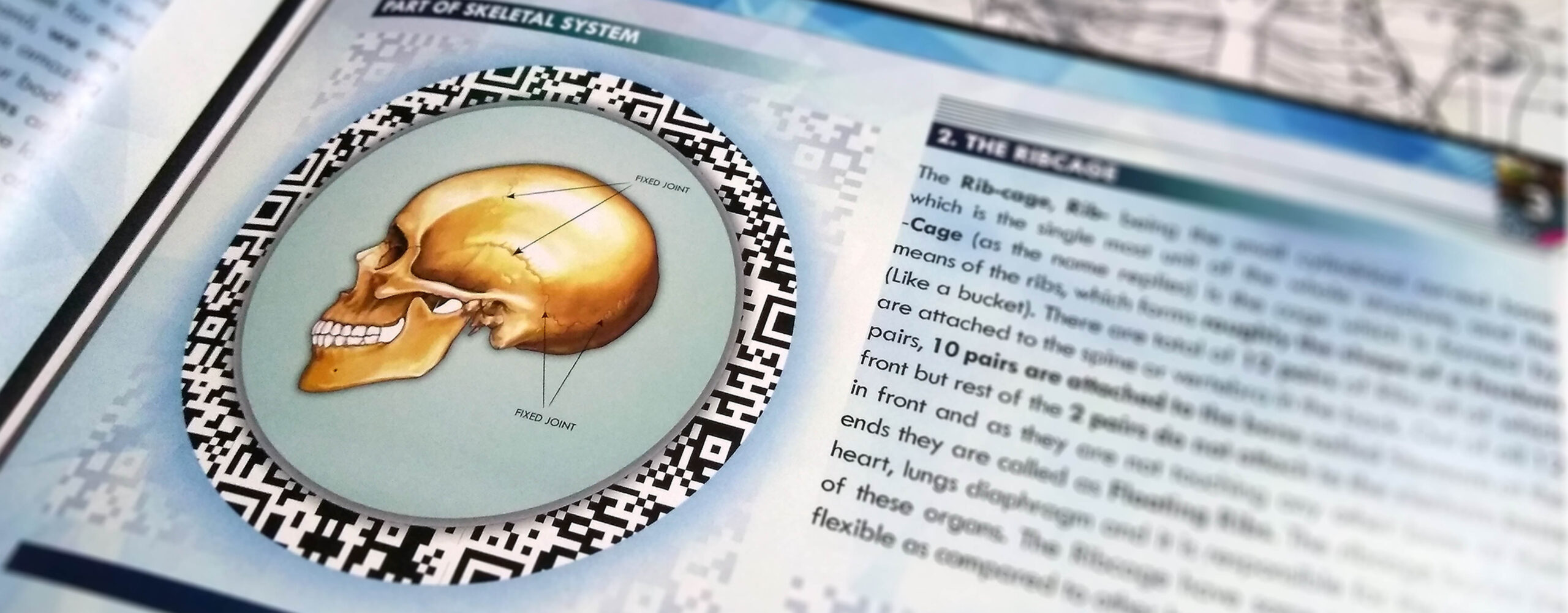
Every diagram carries an embedded code, so the app knows exactly where the model belongs.
The model holds its position on the page while the student moves the phone around it.
A narration voice walks the student through the model, working like a teacher sitting beside the page.
Under ₹300
The price bracket of an ordinary school textbook. EdTech alternatives run ₹10,000 to ₹30,000.
Works offline
Once the app is installed, no internet connection is needed to scan or view a model.
On the syllabus
Built on the NCERT-based curriculum schools already teach, starting with Science.
02 — Anatomy of a page
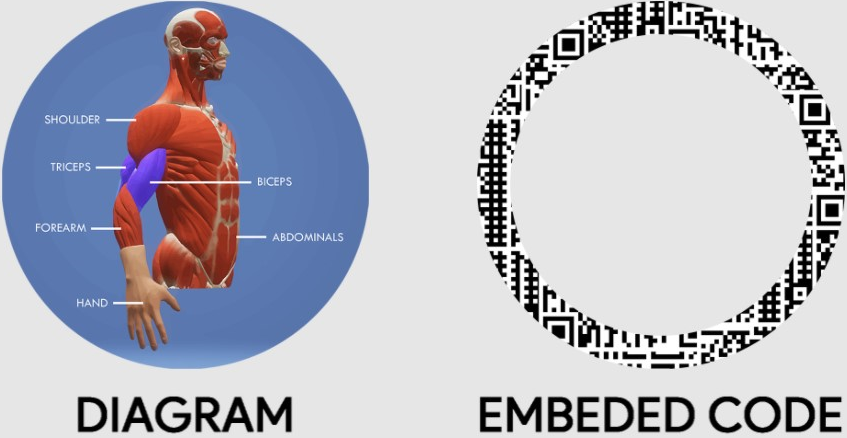
Two fundamental parts: the diagram and the embeded code
The diagram is for illustration. The code feeds the app, telling it where the 3D model needs to be projected. Together they make up the whole image, and the book is filled with them.
Watch it
Two minutes with the book, the phone and the app — recorded in one take.
03 — The line of books
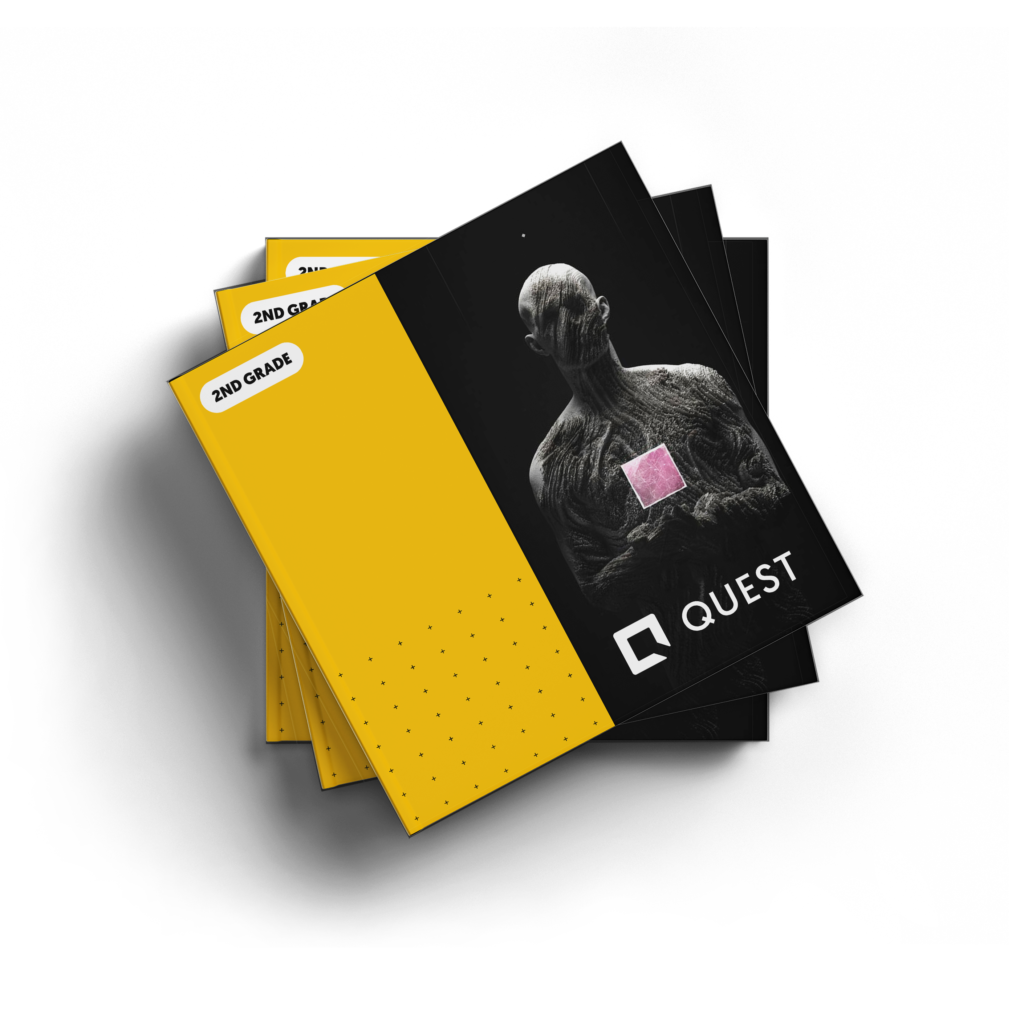
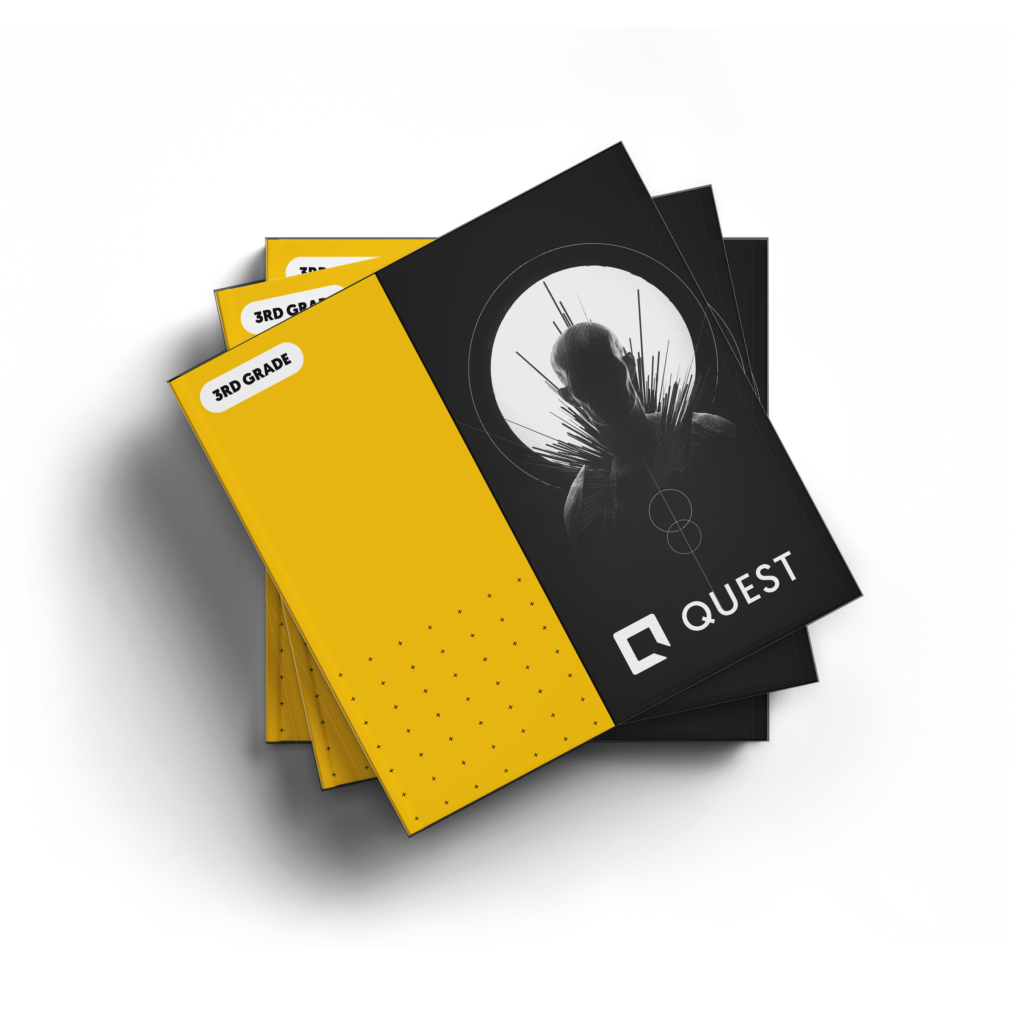
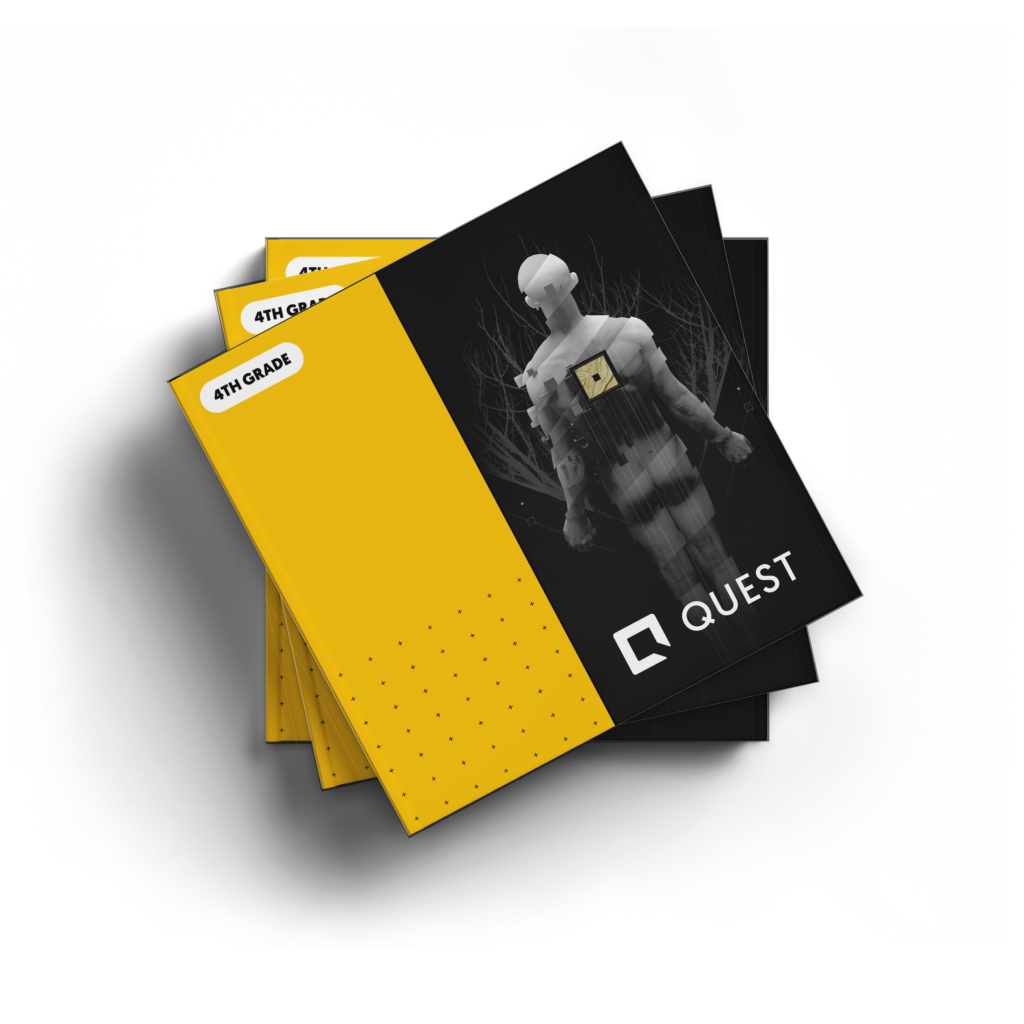
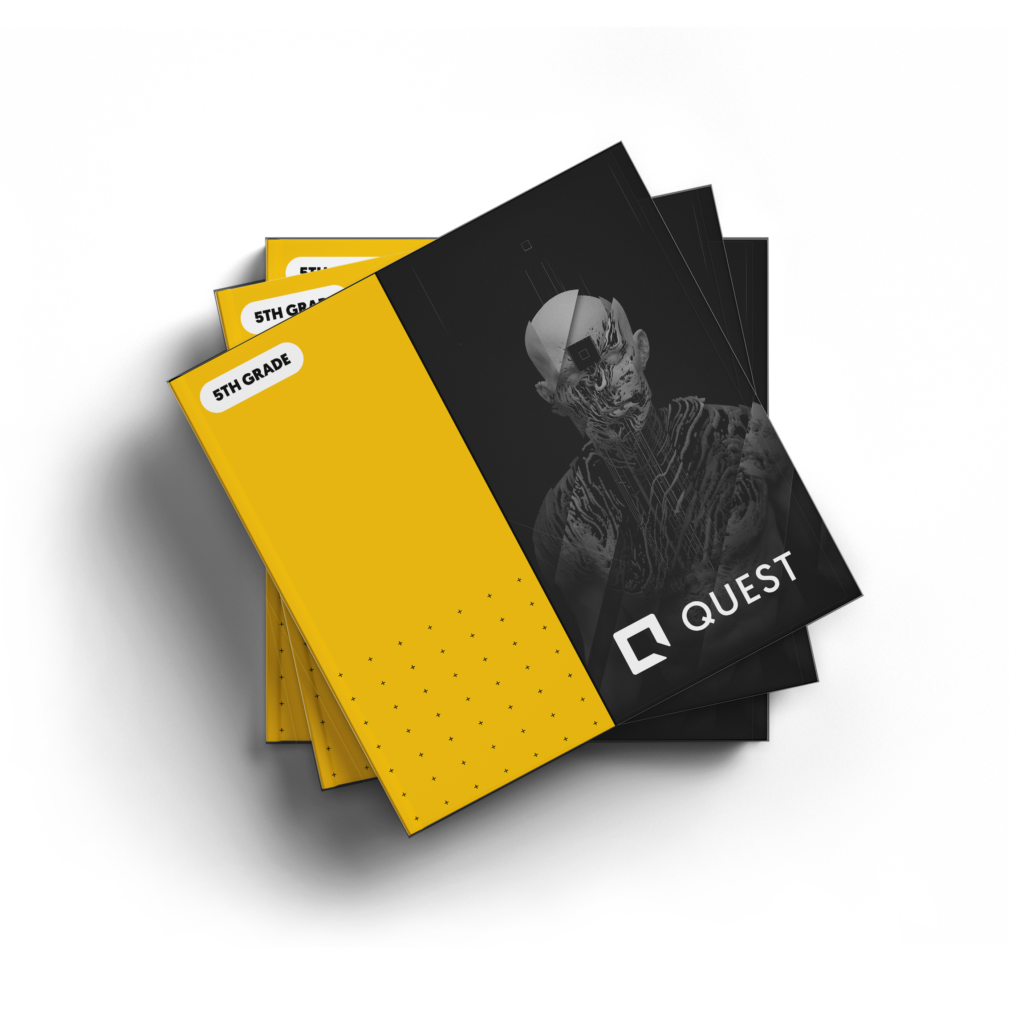
NCERT-based Science series · 5 more coming next year
04 — Hologram Cards
Learn visually,
learn far quickly
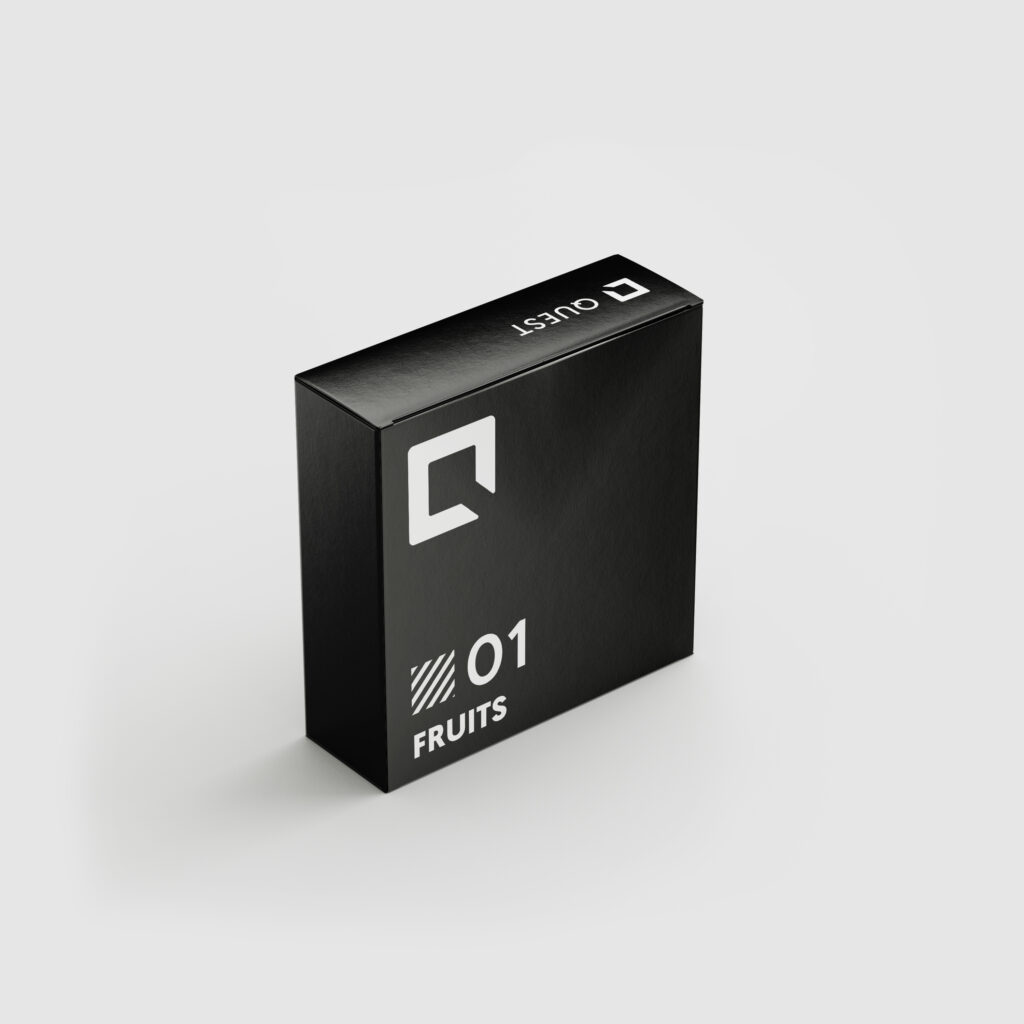
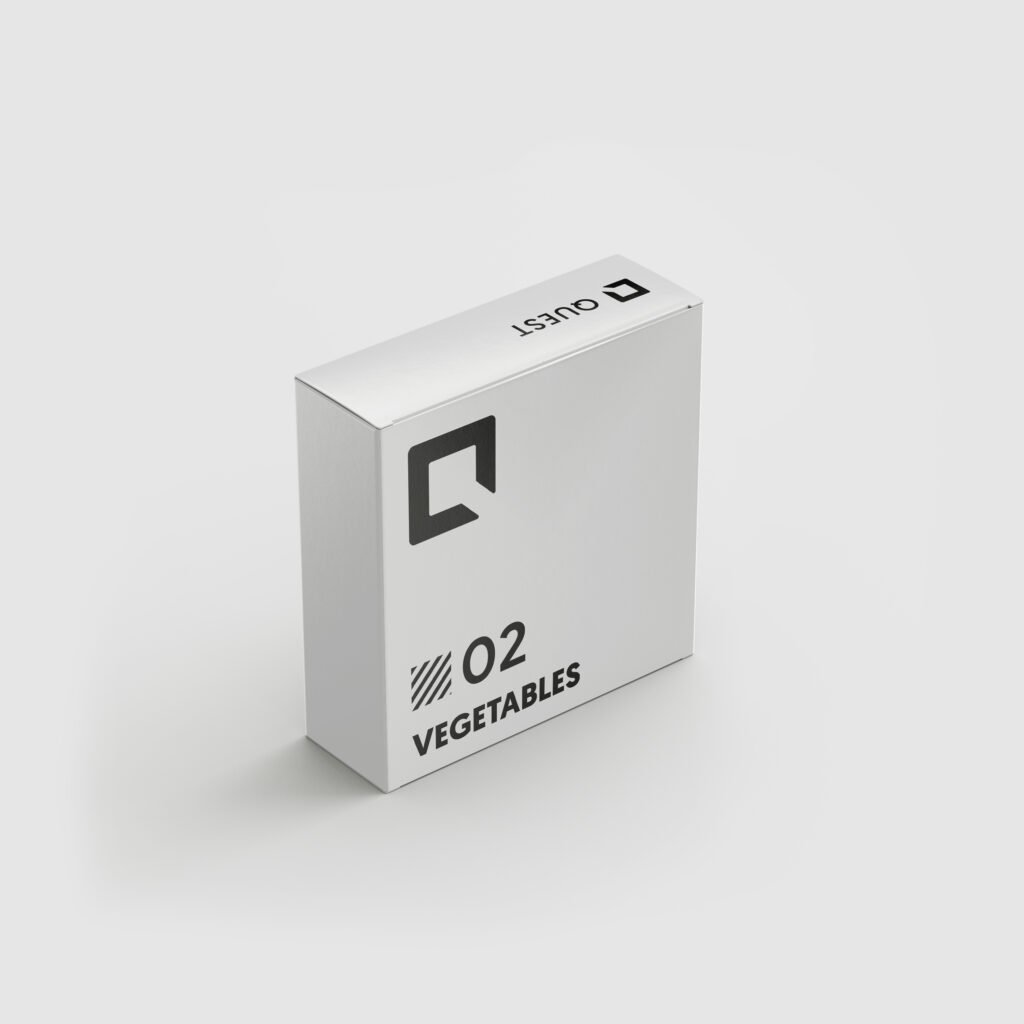
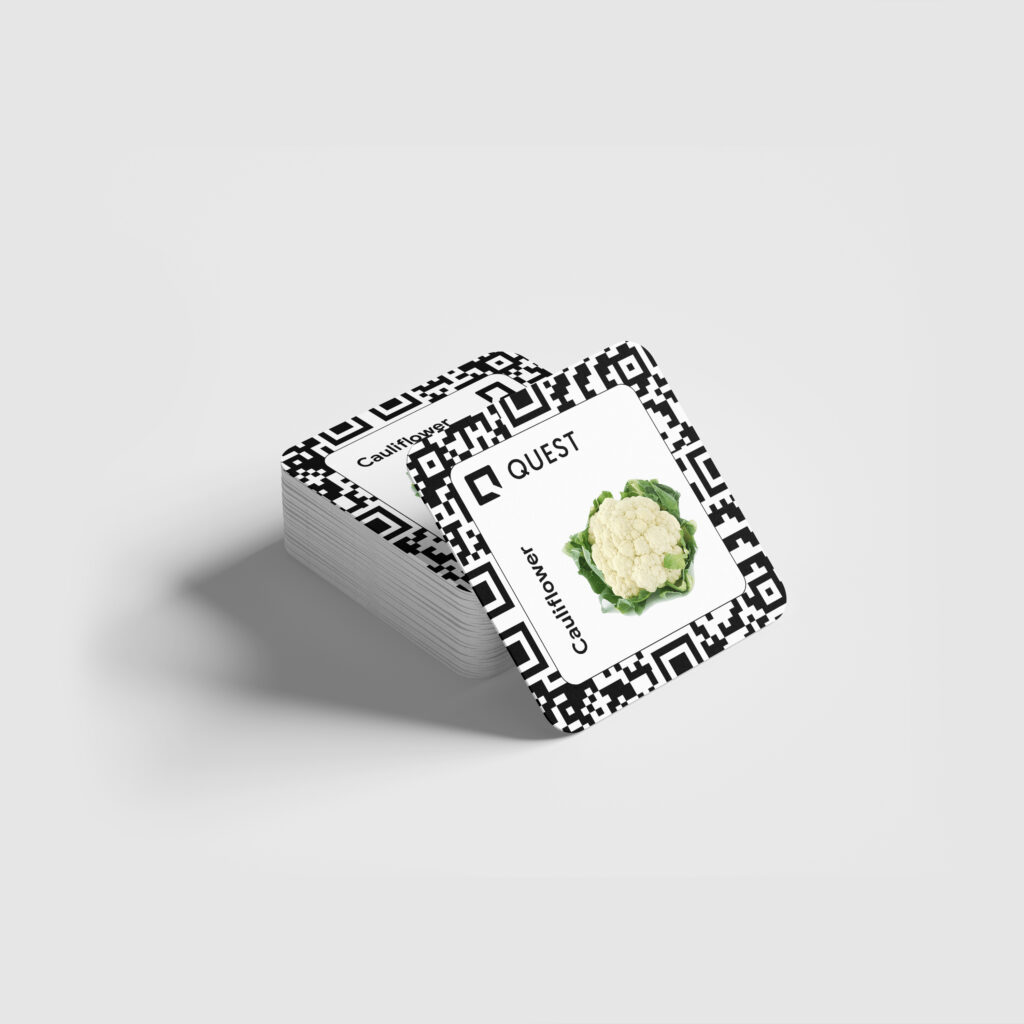
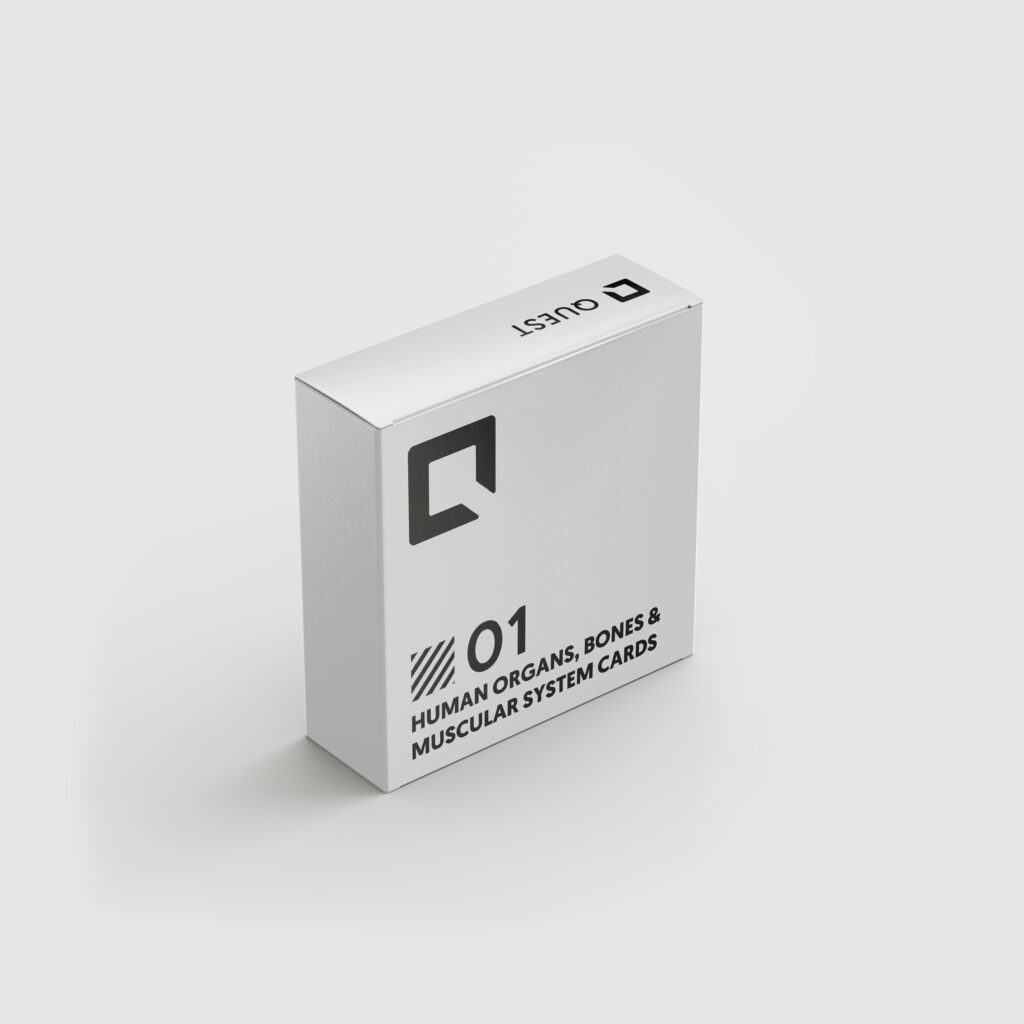
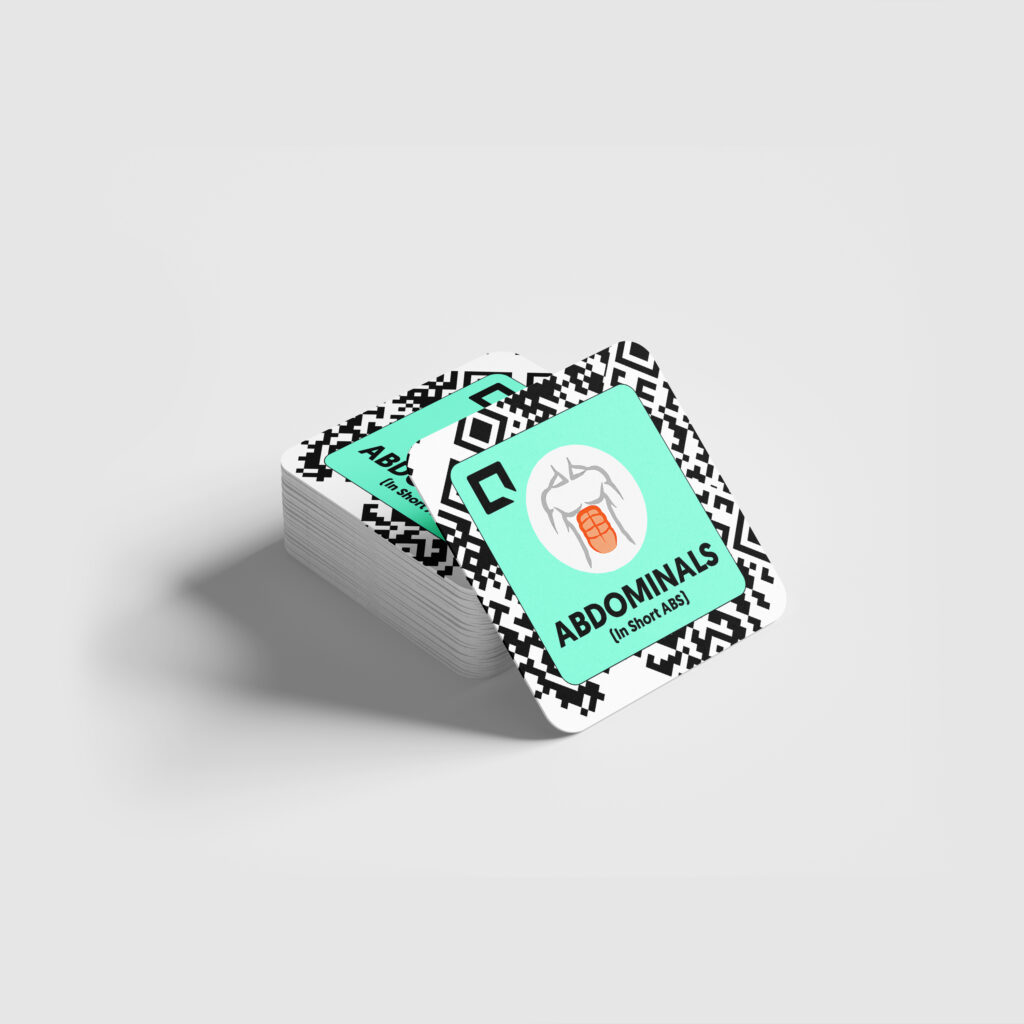
Decks of scannable cards for younger students — fruits and veggies, the human body, home articles. Same app, no book required.
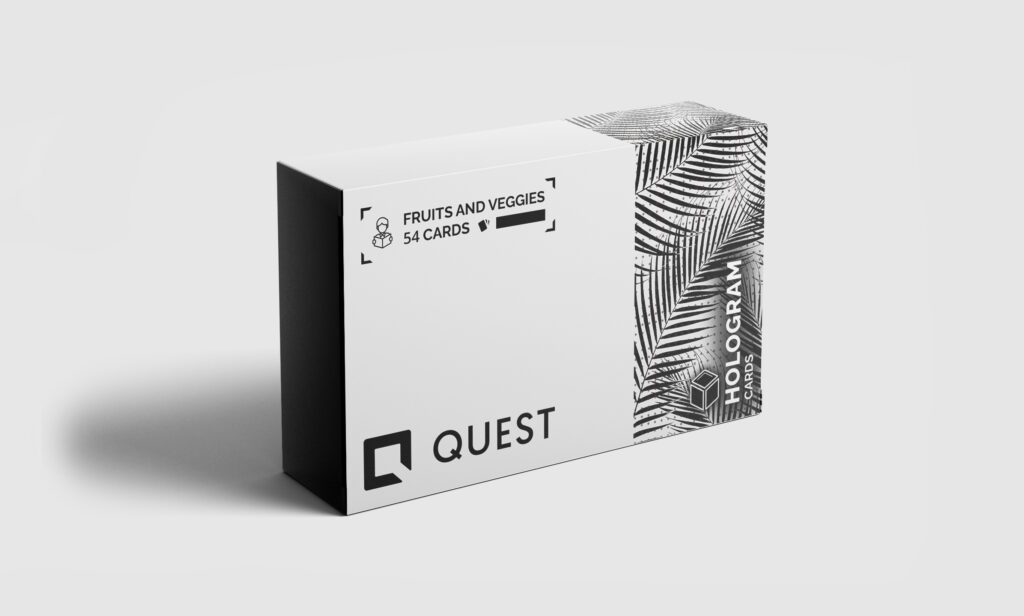
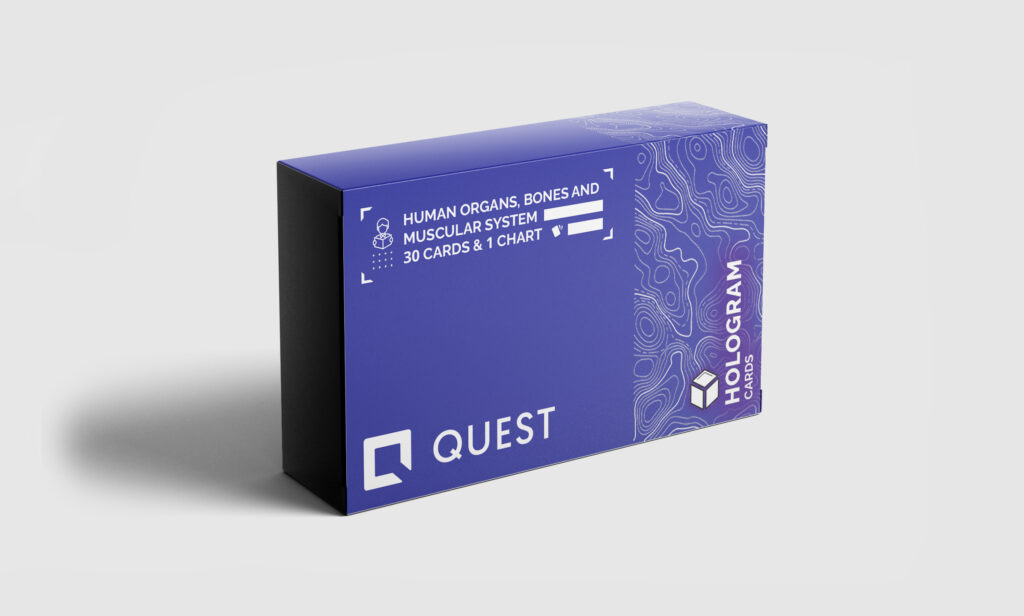
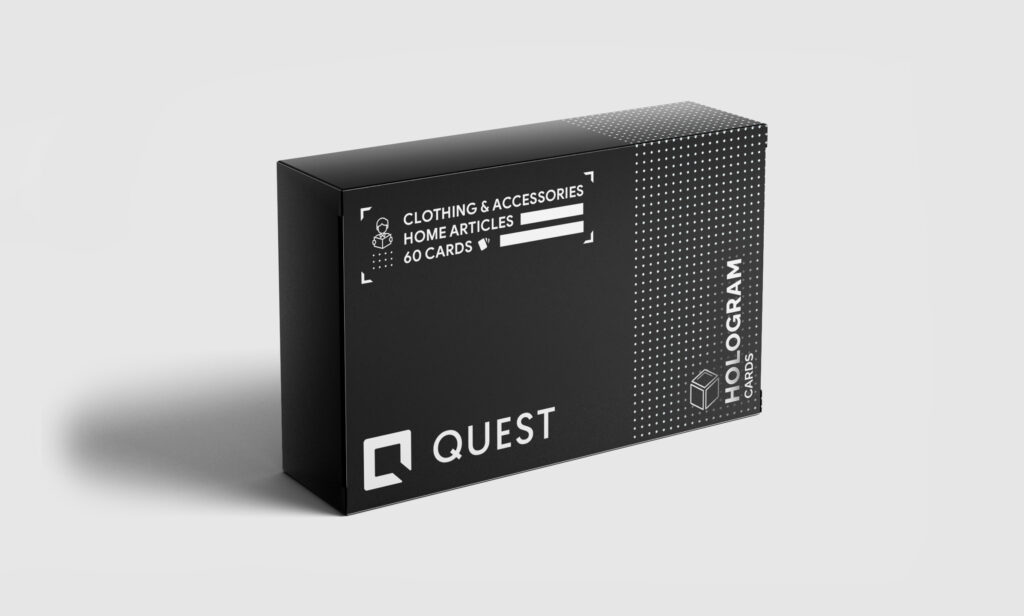
Version 1.0
Demo of Hologram Cards
Scan a card, the object stands up off it at the size it should be, and turns as the card turns.
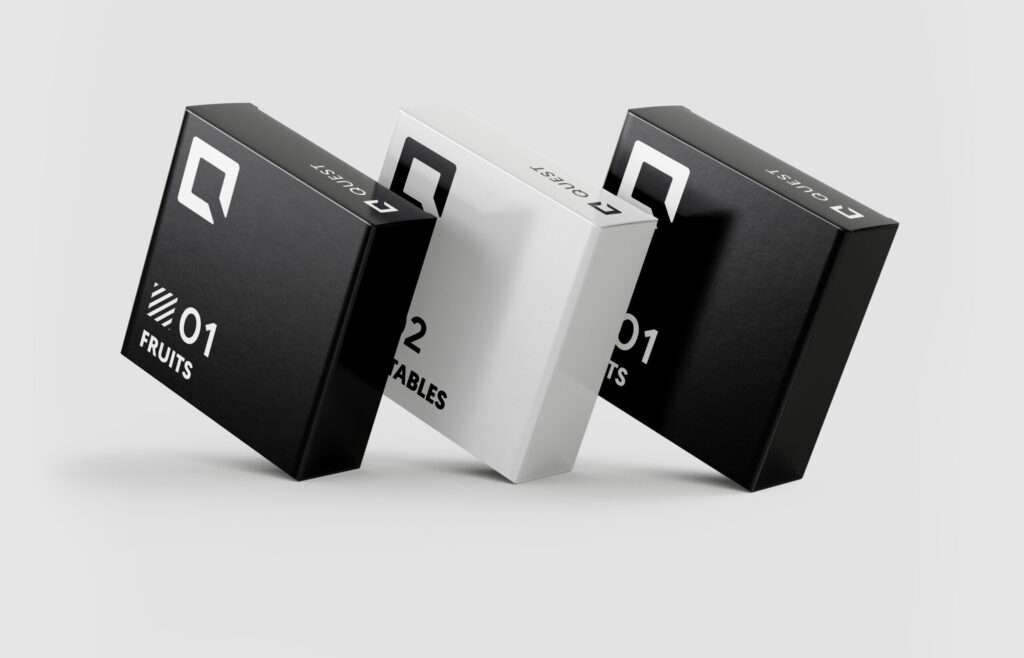
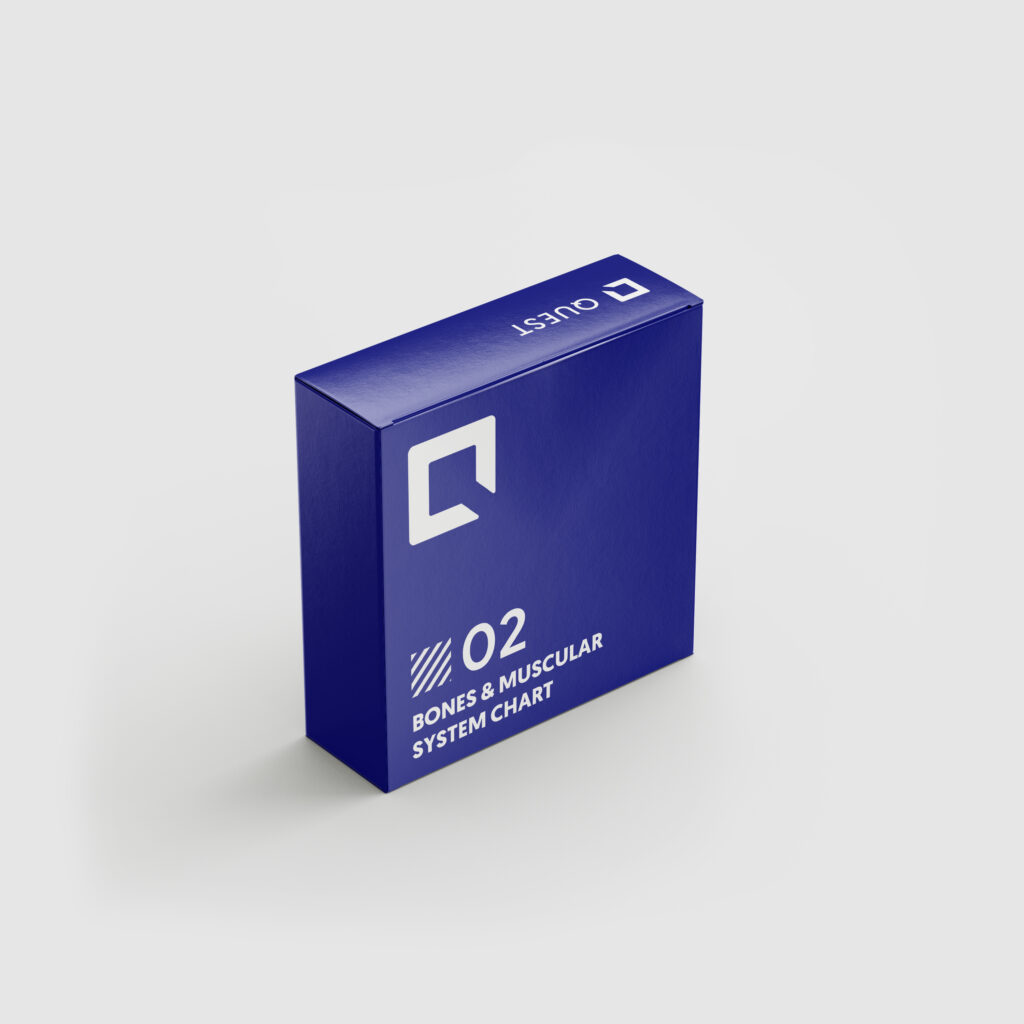
The packaging
Three decks,
one shelf
05 — How it works
Three things and you are set to go
01
The book or the deck
A printed Smartbook, or a box of Hologram Cards.
02
A phone or tablet
Any recent Android device with a camera.
03
The Quest app
Free on the Play Store. Works offline once installed.
06 — The app
One app,
every title
- •Free at Play Store
- •No internet connection needed
- •Precision tracking over the diagrams
- •Easy to use
- •Reliable
Let's dig deeper with us as we are integrating
Biggest breakthroughs
In technology with the field of learning